If you’re heading to snow in Australia, whether it’s to the ski resorts in Victoria or New South Wales, one of the most common questions people ask is can I wear my normal shoes in the snow? The short answer is no, and here’s why.
Why Normal Shoes Fail in Snow
Lack of Traction
Normal shoes, like sneakers or casual boots, don’t have the grip to handle icy or snowy conditions. Slipping on ice can be dangerous and injure you, ruining your trip. If you’re a hiker, investing in proper hiking boots can make a big difference, especially in a national park or ski field where the terrain can be unpredictable. If you’re on a Melbourne snow trip, it’s even more important to make sure you have the right footwear to enjoy the experience safely.
Not Waterproof
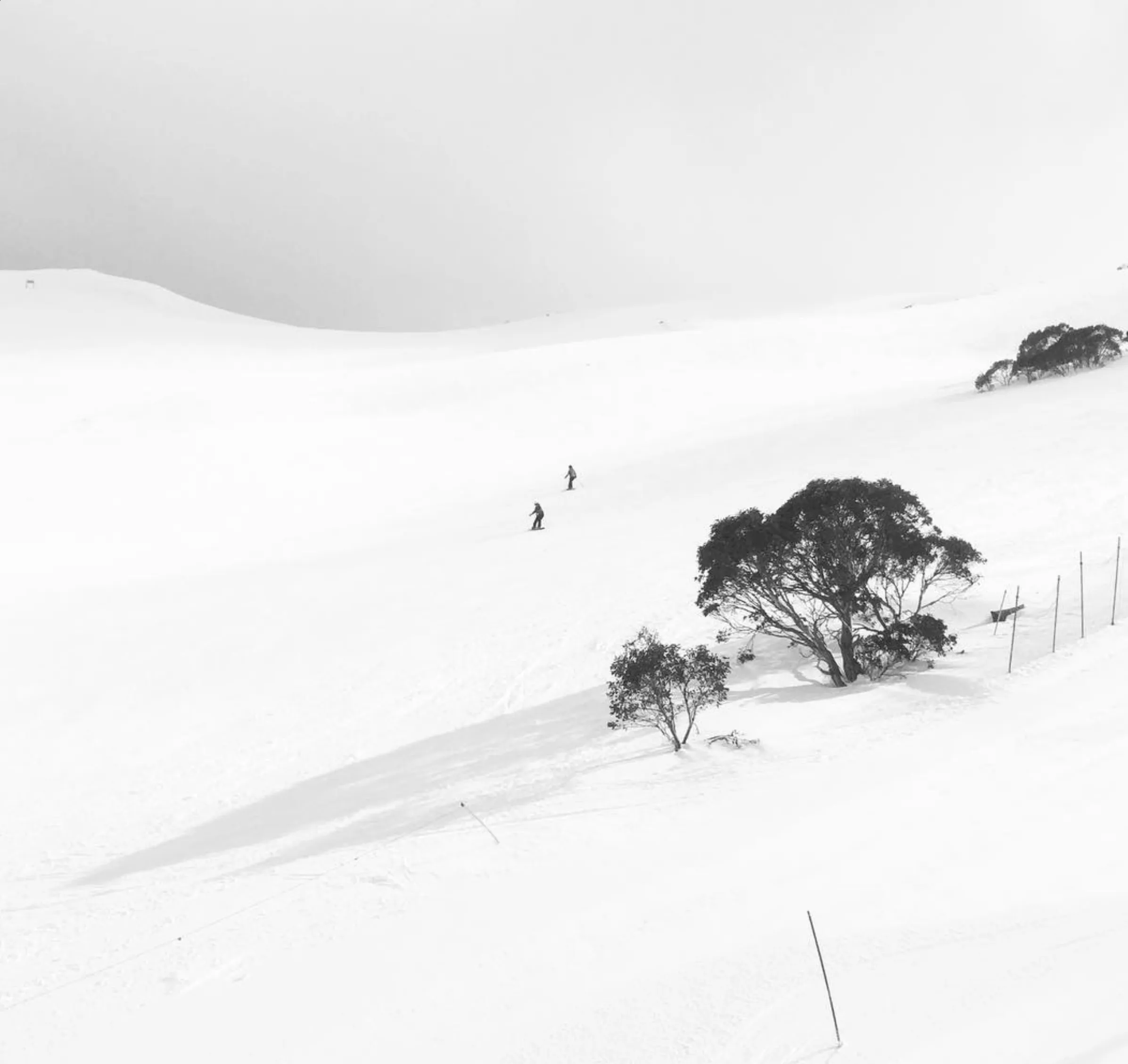
Normal shoes aren’t designed to keep water out. Snow melts instantly on contact and without waterproofing, your feet will get wet and cold and increase the risk of frostbite or discomfort. Wet feet can be a health risk in cold temperatures and affect your body temperature and blood circulation. Snow boots or snowboard boots are much better than regular shoes to keep your feet warm and dry, especially in deep snow or fresh snow. If you’re planning a snow trip, keeping your feet dry is key to an enjoyable and safe adventure.
Not Insulated
Snow boots and ski boots are designed to insulate. Regular shoes aren’t. Walking in deep snow with non-insulated footwear will make your feet extremely cold and uncomfortable. A proper ski trip requires the right snow gear, including mid-layers, outer layers and a warm layer to protect against cold weather.
Durability Issues
Snow can be tough on footwear. Normal shoes can get damaged quickly from prolonged exposure to water, salt and freezing temperatures. Having a waterproof jacket, waterproof gloves and snow clothing is essential for extreme weather conditions. Ski jackets and ski gloves are also recommended for beginners or anyone spending extended time outdoors. If you’re on a snow tour, wearing the right gear will make your trip so much more enjoyable.
Best Footwear
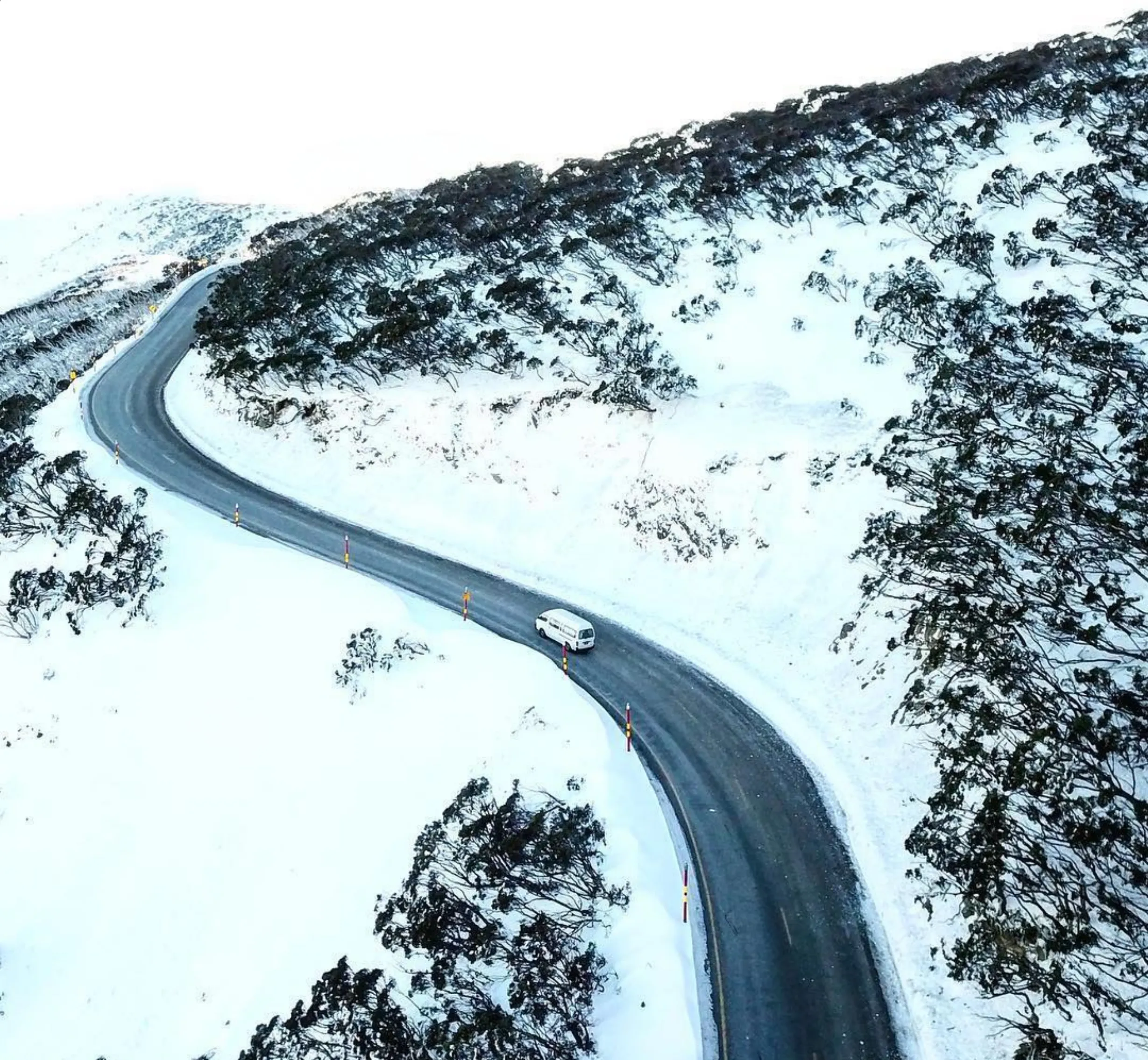
To stay safe and warm, consider:
- Waterproof Snow Boots: These have insulation, grip and water resistance so they are essential for snowy landscapes.
- Hiking Boots with Waterproofing: If snow boots are not available, well-insulated and waterproof hiking boots are a good substitute, especially for land-based activities like cross-country skiing.
- Snowboard Boots or Ski Boots: If you’re a beginner skier or cross-country skier, these boots provide the support and protection you need for better stability and warmth.
- Thermal Socks and Layering: Wearing multiple socks helps maintain body temperature and blood flow in cold weather. A fleece layer and outer gloves will also keep your extremities warm.
Extra Snow Gear
Besides footwear you should also pack:
- Waterproof Jacket: Keeps you dry in snow or wet conditions.
- Ski Jackets & Pants: Essential for cold extremes.
- Snow Chains: Required for vehicles during the snow season.
- Ski Gloves & Outer Gloves: Keeps hands warm and dry.
- Mid Layers & Warm Layers: Helps regulate body temperature.
- Lift Ticket & Lift Access Info: If you’re using ski lifts, make sure you have lift access arranged.
- Personal Gear: Ski boots, collapsible poles and mountain bike if you’re mountain biking in snowy areas.
Alternatives
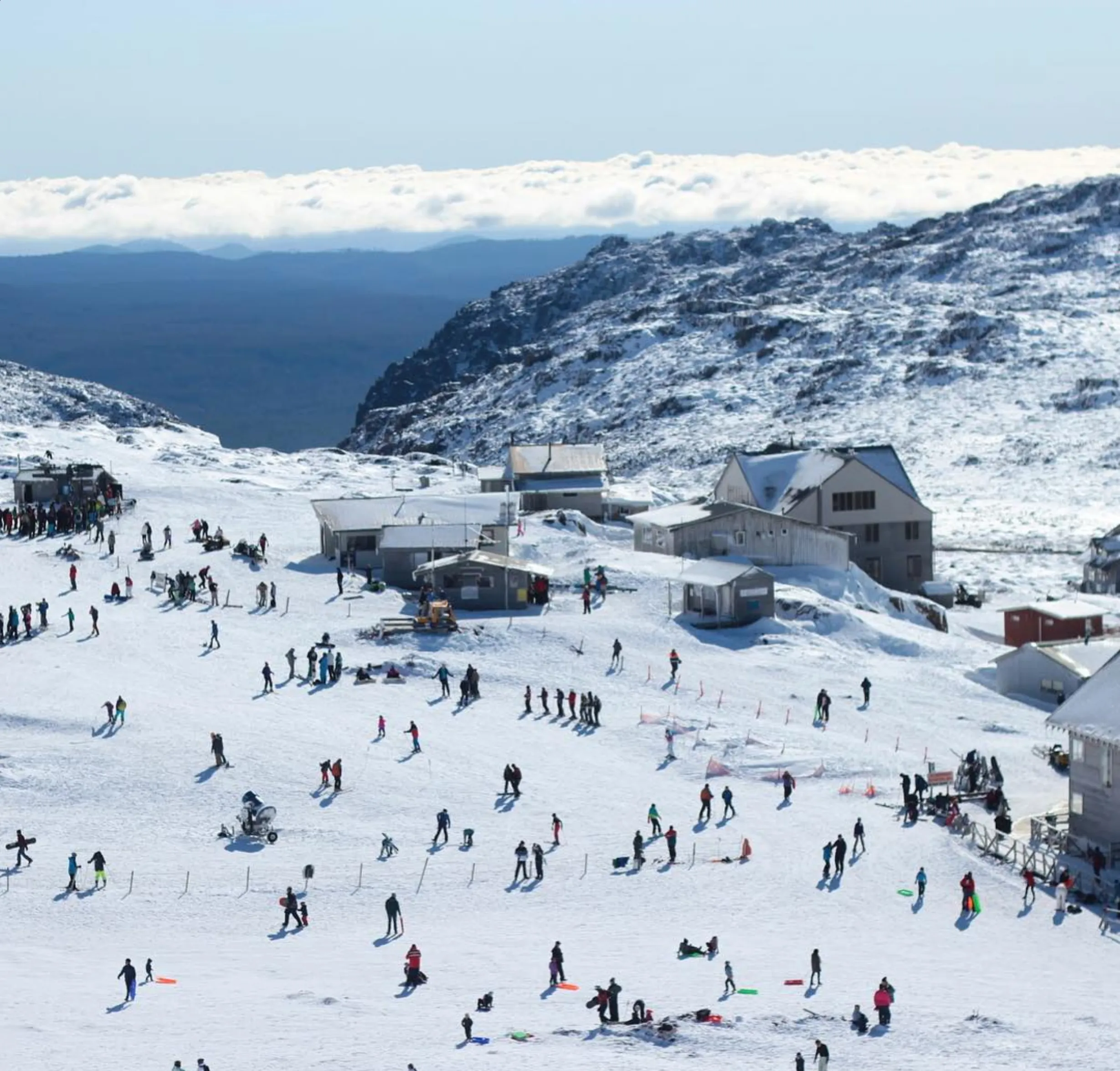
If you don’t have snow boots and don’t want to buy a pair for a short trip, consider:
- Renting snow gear from ski resorts which may also include a waterproof jacket, outer gloves and ski gloves.
- Using waterproof shoe covers over sturdy shoes to prevent wet feet.
- Wearing multiple layers of socks and using waterproofing sprays on existing footwear (though not the best solution).
- Packing collapsible poles if you’re walking in a national park or ski field where the terrain may be uneven.
- Checking for laundry and recycling services at your resort to manage clothing and waste.
Conclusion

Don’t wear normal shoes in the snow as it’s a risk of slipping, cold and water damage. Investing in proper footwear will make it safer and more enjoyable. Whether you’re heading to Perisher, Thredbo, Mount Buller or Falls Creek, make sure your feet are protected from the elements. If you’re a foot passenger on a ski lift or planning a fun family road trip, having the right personal gear such as a pair of boots and warm layers is essential. A well-prepared ski trip means you can have a magical adventure without discomfort or risk. If you’re going on a snow tour, having the right gear will make it even more enjoyable so you can fully appreciate the snow landscapes.
FAQ
Can I wear sneakers in the snow if I only plan to walk short distances?
No, sneakers are not good enough as they don’t have traction and waterproofing. Even for short walks your feet will get wet and cold quickly and affect blood circulation and body temperature.
Are UGG boots good for snow trips?
No, UGG boots are made of suede and not waterproof. They absorb water easily so not good for snowy conditions. If you want to keep your feet dry, get snow boots instead.
What can I do if I don’t have snow boots?
You can rent snow boots from ski resorts or outdoor gear shops. Or you can use waterproof hiking boots with thick socks. If you’re visiting during the official snow season, snow chains might also be required for vehicles in some areas.
Do I need to buy expensive snow boots for just one trip?
Not necessary. Renting is an option or you can use waterproof hiking boots with added insulation. If you’re going to ski often, investing in a good pair of shoes will be worth it.
Will wearing multiple layers of socks help if I only have normal shoes?
Layering socks may provide some warmth but won’t protect against water. Without waterproof shoes your feet will get wet and cold. A proper warm layer, fleece layer and outer gloves will keep the rest of your body warm, too.