Which boutique winery will be relatively empty on a Saturday? Well, let’s cut to the chase – the answer isn’t a single magic winery, but the approach you take to choosing your places to visit: find smaller, harder to get to spots that put quality over quantity and a focus on crafting great wine rather than attracting as many visitors as possible. Do that, and you’ll have plenty of peaceful options to choose from.
I’ve spent years on the road putting together itineraries – think inland wine loops, or just adding a few wineries to a Great Ocean Road tour from Melbourne – and I’ve seen the same problem pop up time and time again. It’s not that the wineries are bad; it’s just that visitors end up in the same overcrowded places, at the same time, with the same expectations as everyone else.
Why Some Cellar Doors Stay Busy Or Quiet
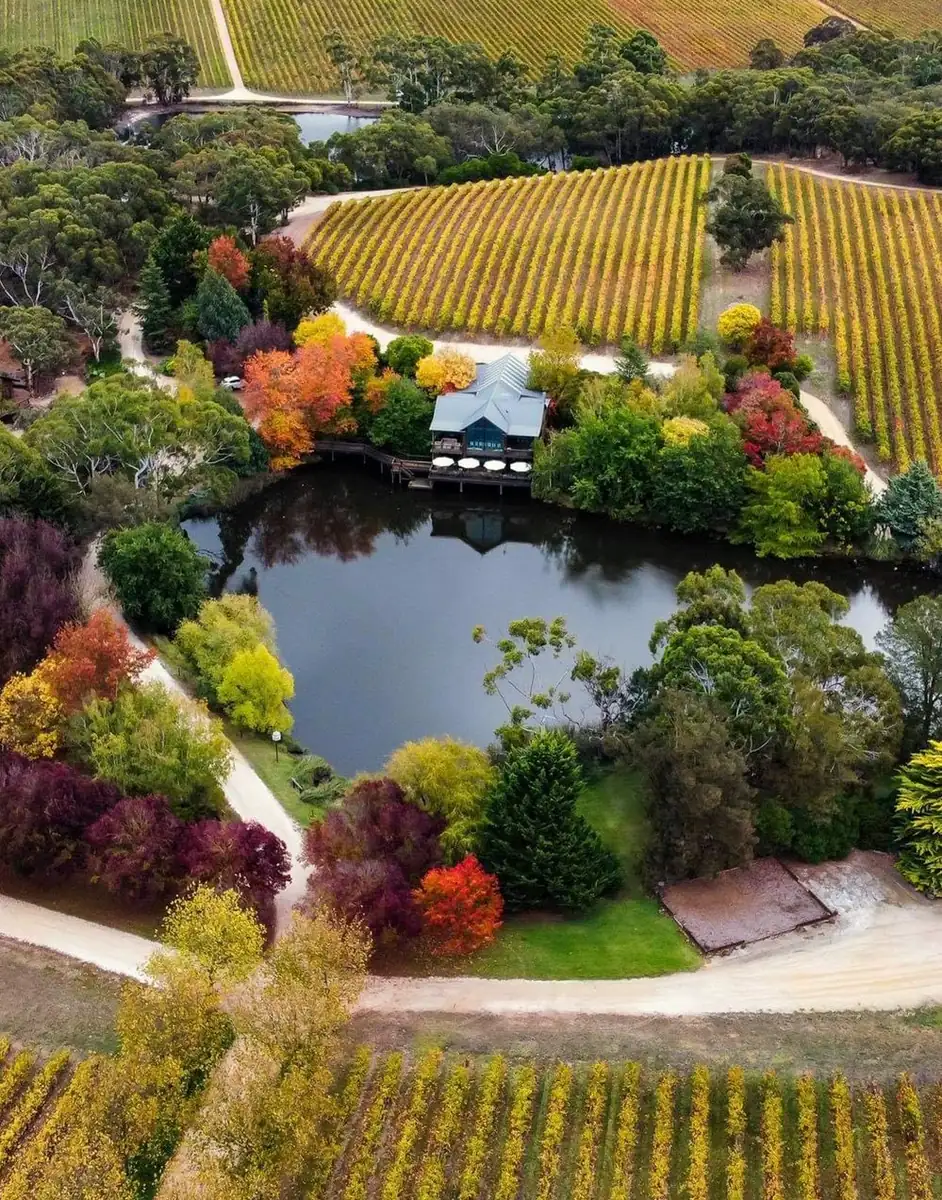
There’s a pretty clear pattern once you’ve spent a few weekends in wine regions. The places that are always rammed are set up to handle big crowds – loads of parking, big open areas for walk-ins, and a lot of promotion through tour groups and bookings.
On the other hand, the quieter spots are the opposite: smaller, more low-key operations that usually grow their own grapes in tightly controlled vineyards, offering a much more relaxed, personal tasting experience.
What Usually Catches People Off Right Off The Bat
Most people seem to think that “boutique” means quiet. But the reality is that many boutique wineries can still end up packed on Saturdays if they’re easy to get to or have been heavily marketed.
The real key is to look for a bit of ‘friction’ in the way – just enough to keep casual browsers away. That might mean:
- A 10-minute detour off the main road
- Needing to book ahead
- Limited tastings at set times
I once turned up at a well-reviewed cellar door in the Yarra Valley at 12:30 on a Saturday – looked like a great little boutique spot online. Turns out it was packed to the rafters like a pub on grand final day. Ten minutes later, down a side road, I found a smaller producer pouring all sorts of interesting wines made with organic methods and indigenous yeast, and we had the place all to ourselves.
That’s the real difference.
Where To Find Quiet Winery Regions
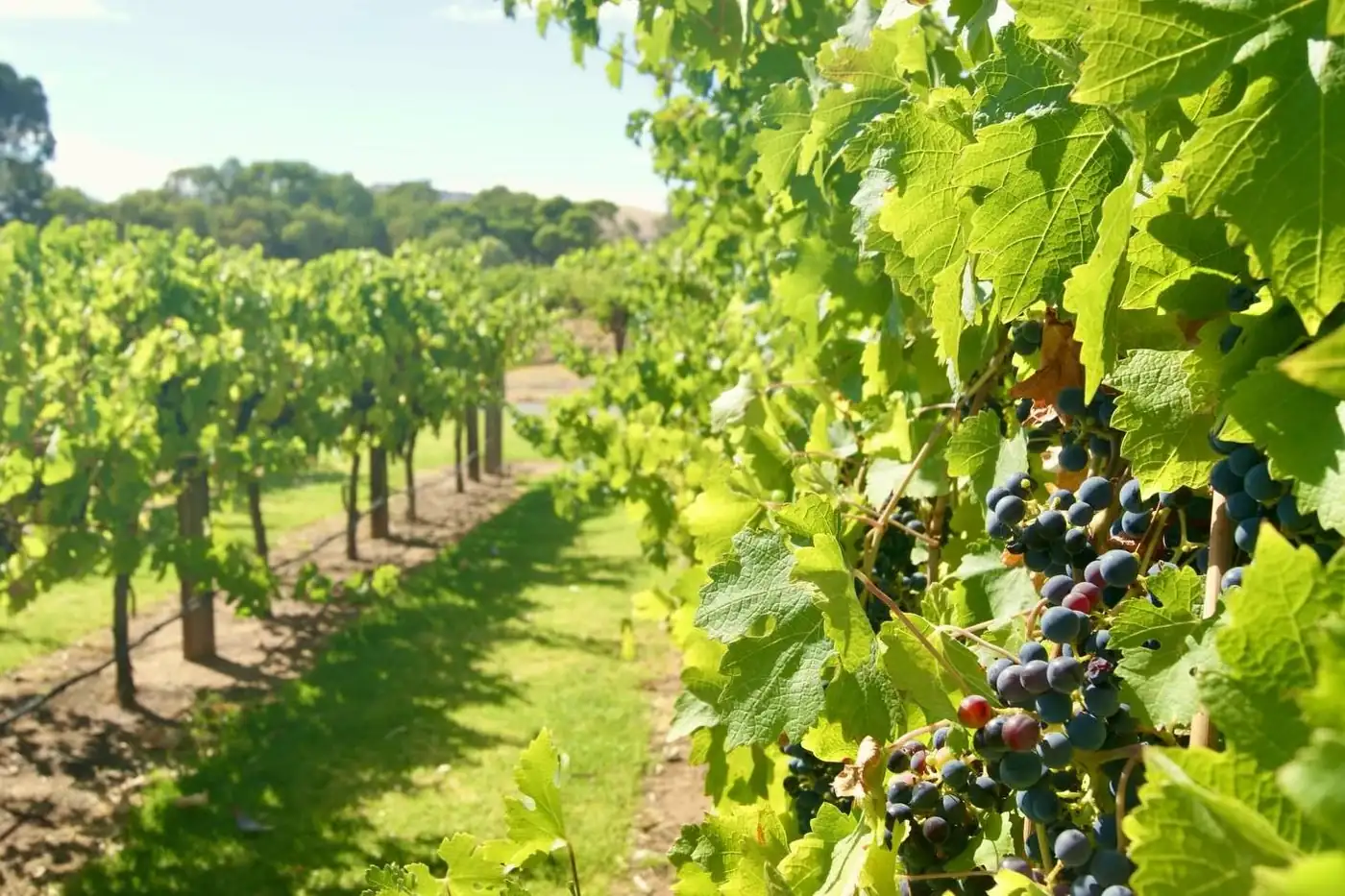 You don’t have to get too crazy here, just nudge off the beaten path a little bit.
Adelaide Hills – Where The Backroads Are A Cut Above The Rest
Ditch the Hahndorf loop and get deeper into Basket Range or Lenswood. These are the places that really deliver – they’ve got a cool climate vibe, topography and a slightly whimsical maritime influence that brings a bit of edge to the wines.
When you’re in these parts, you’ll find winemakers who specialise in minimal intervention techniques. Expect a more leisurely pace, thoughtful pours and the chance to chat with the bloke who actually made the wine.
Yarra Valley – Think Lateral Thinking To Avoid The Madding Crowds
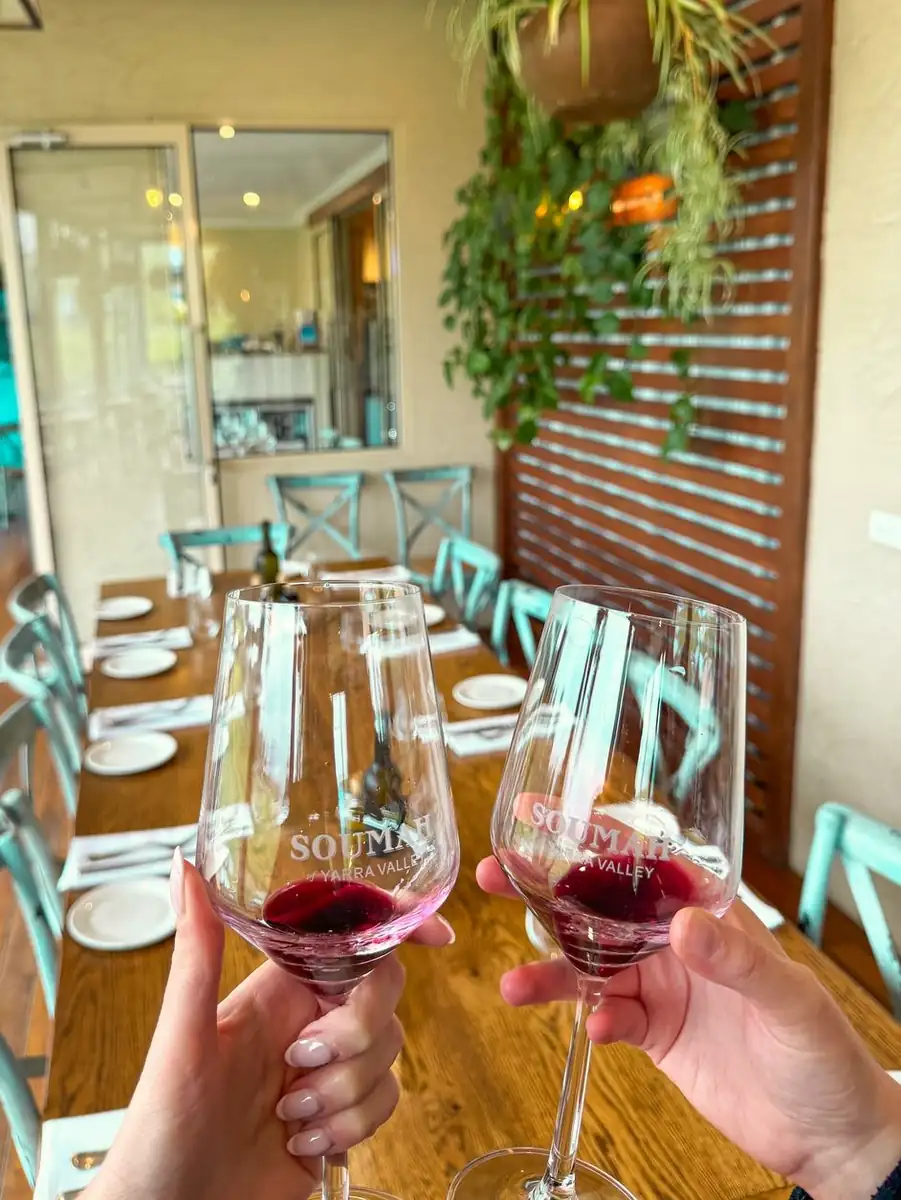
The Yarra is a busy place, no doubt about it. But to avoid the chaos, try going a bit sideways – look for the smaller operators tucked behind the big names.
These places often hone in on specific varietals and are keen on sustainable practices – some even run biodynamic vineyards. The result is a much more laid-back tasting experience, minus the constant stream of big groups.
McLaren Vale – Inland’s Where The Magic Happens
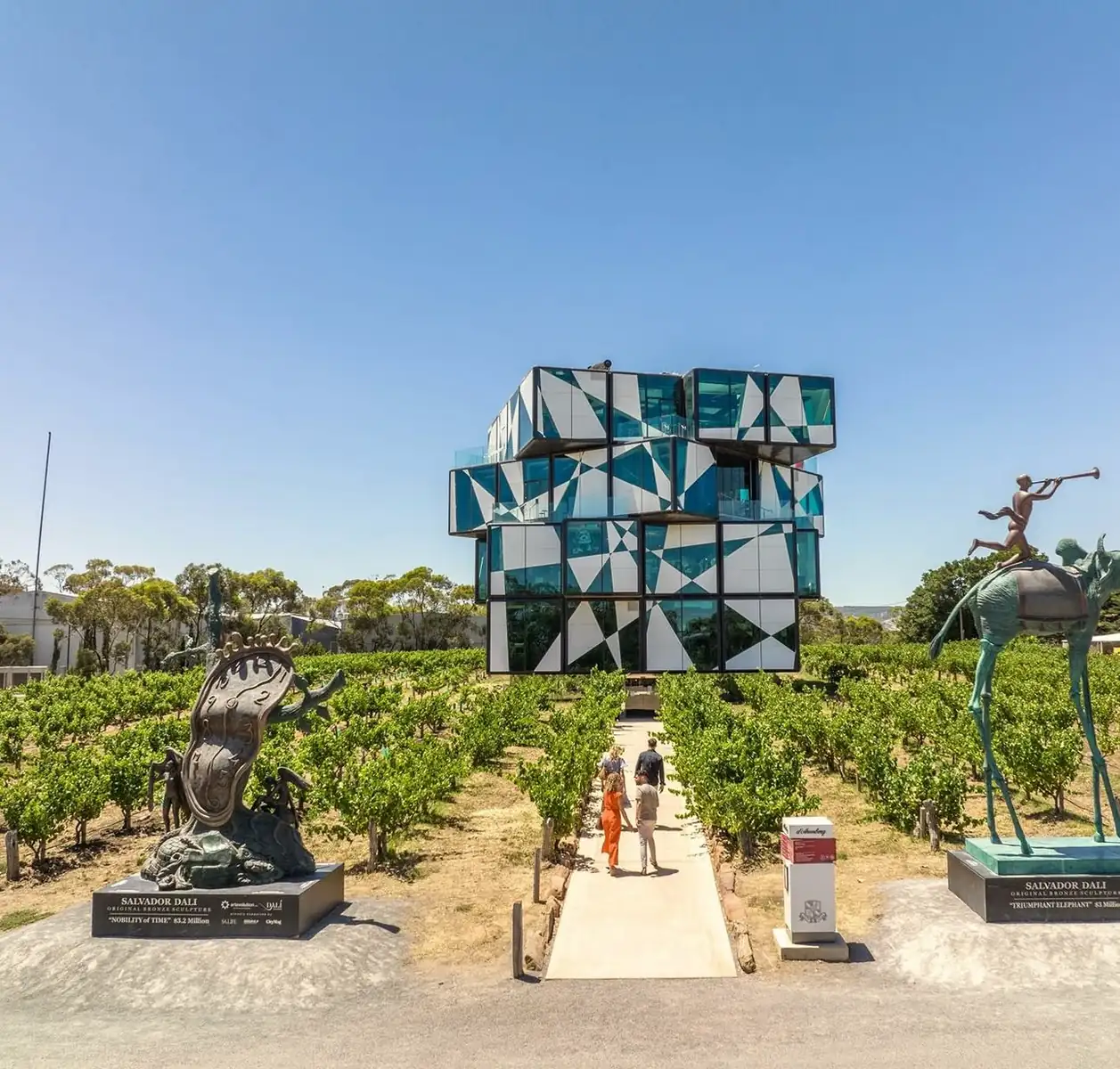
Most visitors stick to the coast, and that’s where all the crowds congregate.
Head inland instead, and you’ll find a string of smaller wineries producing some top-notch estate wines. Some of these blokes are experimenting with new styles – I’ve seen some crackers, from bold reds to some weird and wonderful spirits like Sloe Gin and even a whey spirit.
Not fancy, not flashy, but a whole lot more memorable.
How To Plan Your Day To Avoid The Crowds In Reality
This is where most people go wrong. They plan wineries as if they were café stops – convenient, flexible and up for grabs on the day. That doesn’t work on a Saturday.
Timing That Doesn’t Leave You Feeling Stressed
Forget that vague advice to “get there early”. This is what actually works:
- Get out of the city by 8-8:30 in the morning
- First tasting is at 10 am – that’s when the doors open
- Second stop before midday – don’t try to cram in too much
- Lunch around 12 or just after the peak hours – no point trying to beat the rush
- Final tasting mid-afternoon – that way you’ve got a bit of a break before the crowds start to build up
I’ve seen cellar doors go from peaceful to complete chaos in under an hour. Timing’s everything – get it right, and you’ll be laughing.
Getting There Without The Headache
If you’re driving:
- Most boutique wineries have easy parking, but it’s limited
- After a bit of rain, some of the access roads can get slippery – nothing too bad, just keep an eye out
If you’re not driving:
- Smaller group operators – even those bundling in a bigger tour – are your best bet
- Big coaches are a no-go – they only go to the most crowded places
Trying to squeeze too much into one day – like doing a Great Ocean Road trip with wineries – usually backfires. You’ll end up spending more time in the car than enjoying the wine.
What You’ll Actually Experience
| Expectation | Reality |
|---|---|
| Quiet means less interesting | Quiet means more personal and engaging |
| Bigger wineries have better wine | Smaller producers often show more character |
| You can just walk in anywhere | Many require bookings, especially at weekends |
| Food will be a full menu | Most offer simple cheese platters or cheese boards |
Where do people’s expectations start to go off the rails? In a quieter winery, it’s not that it’s any less impressive – it’s just that it’s more focused.
Cost Breakdown – No Big Surprises
We all want to have a relaxed day of tasting without flaming the budget, but let’s be realistic – it’s not going to be free.
You should expect to pay:
- A tenner to $25 per person for a standard tasting
- For a premium tasting or one with a guide – anywhere from $30 to $60
- For light bites like cheese and crackers – $25 to $45
- For transport or tour costs – $50 to $150
Save your cash – unless you genuinely want fine dining that is – and skip these places if your style is high-end. They tend to attract larger crowds, which can lead to long waits.
Who Does This Kind of Day Suits
A downbeat winery day is perfect for people who actually want to get out of their car and engage with the wine.
It’s a good bet for:
- Curious travellers and genuine wine lovers who actually care about the stuff they’re drinking
- Couples or small groups looking for something a bit more chill
- Anyone genuinely interested in learning how the wine is made as much as how it tastes
It’s less suited to:
- Big birthday bashes or any kind of party crew
- Anyone looking to do some speedy tastings or trying to fit in loads of different places
- Those people who just want to tick off as many stops as possible – go big or go home!
If you’re chasing quick results, go for the large wineries. If you want quality, go small.
Seasonal Realities – What Changes The Day
Seasonality is about more than just the weather – it completely changes the whole vibe of the day.
Summer (Dec–Feb) is rather hot and busy. Some cellar doors cut back on the time you get to spend there, and with the bushfire season on, it’s not uncommon for parts of the region to be shut off.
Autumn (Mar–May) is great – the harvest is on, the vineyards are buzzing, and it’s a great time to visit. You might see a bit more activity around the vineyards, but it’s still pretty manageable.
Winter (Jun–Aug) is the quietest of the lot. Fewer crowds mean less competition for tastings, but also more than a few cellar doors cut back on their opening hours.
Spring (Sep-Nov) is when the conditions are usually good, the crowds are smaller and new releases are coming out – it’s a great time to go.
What catches a lot of people out is assuming that, just because it’s winter, the place will be deserted. Not the case – Saturdays can still draw a small but decent-sized crowd.
One Day Scenario – If That’s The Only Time You Have
Got just one day? Then dial it back and focus on the important things.
Pick one region and stick with it – three or four places max.
Don’t try to cram too much in – trying to do too many in one go after a marathon road trip will just leave you with memories of traffic, not wine.
A Short Checklist That Actually Comes in Handy
Before heading out, take a glance over this quick rundown:
- Get that first tasting booked as soon as the doors open
- Got a secondary winery lined up – just in case things go awry
- Done a real-world check of the route – no wishful thinking about travel times
- Worked out a plan for lunch – not just going to rely on whatever’s around at the time
That’s it. Don’t make it too complicated.
What Years of Experience Teach You
Through countless years of mapping out routes and guiding folk around, a few hard truths have become pretty clear.
The best experiences don’t come from the places everyone and their aunt is searching. The ones that really stand out are usually from smaller producers who care way more about the people involved than about churning out massive quantities.
As soon as you get to the winery, you’ll notice the difference – the atmosphere is relaxed, the chat is good, and the way they present the wine isn’t like a rehearsed script.
It’s not a coincidence that’s the same principle you see with all the experience-driven stuff we write about, too – the focus on the person, the story, the real-world insight – that’s what adds real value, whereas generic tips are pretty much pointless.
Final Word – It’s Not Just About The Winery Name
Stop looking for some specific boutique winery that’s going to be virtually empty on a Saturday if you want to avoid the crowds. Change your approach.
Get an early start, don’t stick to the script, book ahead, and be ready to adapt.
Do that, and you’ll not only avoid the crowds – you’ll also end up with a much more enjoyable day, some decent stories, and a real feel for what you’re drinking.
And if you really want a quick fix, well, that’s exactly what we do – create routes that skip the obvious, and take you to the kind of wine experiences that most folks usually miss out on.
The Lowdown
A quiet winery on a Saturday isn’t a secret hideout – it’s just a clever move on your part to plan ahead.
Choose the under-the-radar producers, get there early, & take a detour off the main highway.
Do that, and you’ll trade in the crowds for some real conversation – and that’s where the value is at.
FAQ
Are smaller wineries always a ghost town on weekends?
No way – it’s all about where they’re situated & how easy it is to get there. Even tiny wineries can get pretty busy if they’re dead easy to get to.
Do I need to pre-book every wine tasting appointment before I show up?
Not always, but you should probably lock down your first stop – it sets the right tone for the day.
Can I cram in wineries AND a coast tour in one go?
You can try, but you’ll be pretty tight for time. If you want to combine wineries with a great ocean road trip from Melbourne, it really works best over two days.
Do boutique wineries ever do full-on meals?
Mostly not – they tend to stick to things like cheese platters. For a full dining experience, you’ll probably need to go to a bigger place.
Is it worth joining a wine tour?
Definitely – if you can find a small group one. They’ll get you into places that all those big tours and the main routes just can’t reach.