So you’ve landed here wondering, “Can lip blushing cause keloids?” — you’re not alone. This is the number one question I get asked in every first-time consultation at my Melbourne studio. And as someone who’s been tattooing for over 15 years and has worked with all skin types, I get it. Keloid scars can be nasty, raised and distressing — but when it comes to lip blush tattooing, the risk is more specific than you think.
This post is your no-fluff, evidence-based breakdown of when keloid scarring can happen, who’s most at risk and what we do in-studio to prevent them, especially here in Melbourne, where the dry winters and strong UV can mess with your healing process if you’re not careful.
Why Are Some Skin Scars More Than Others
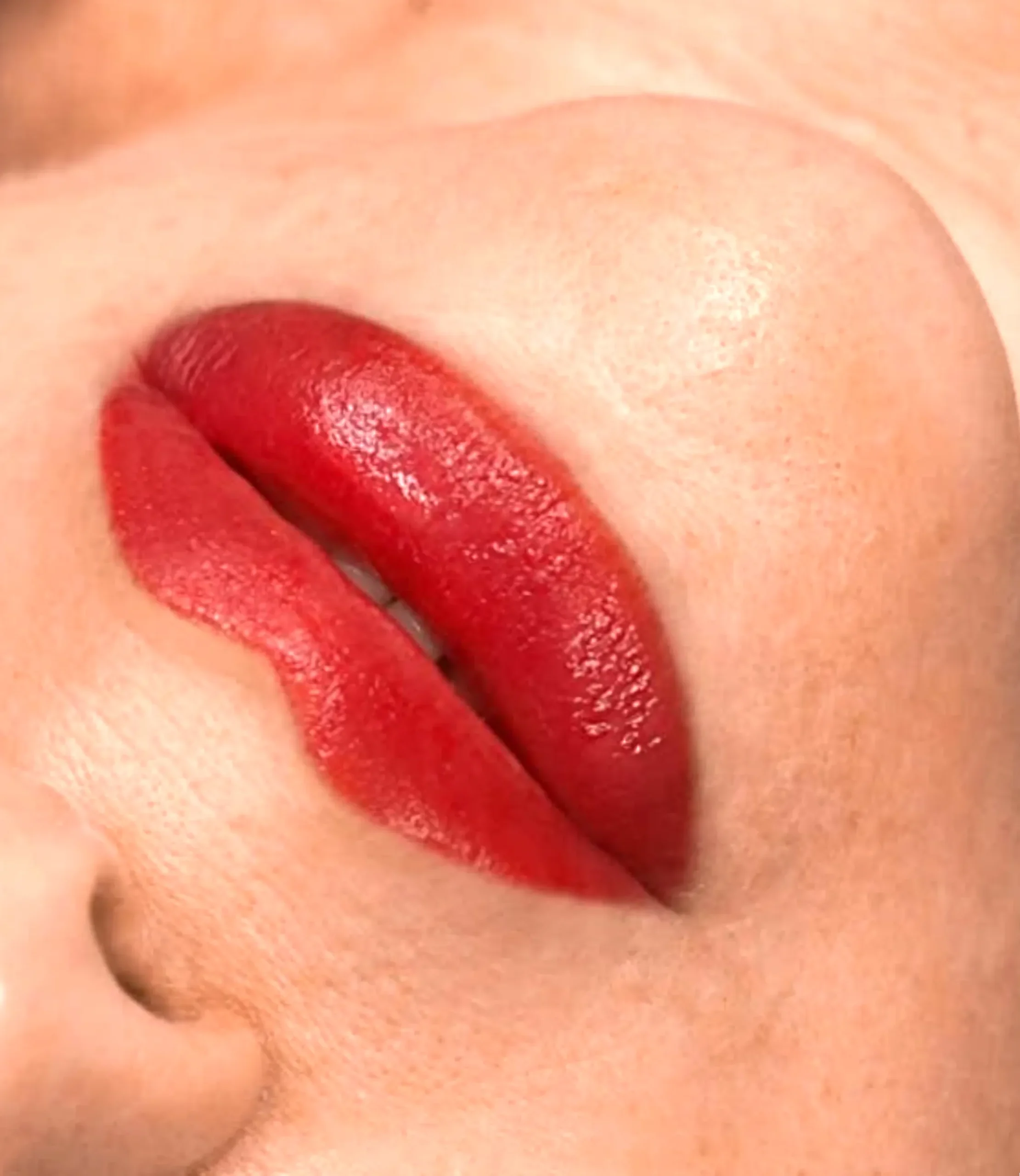
Your skin’s healing response isn’t one size fits all. Let’s break down the difference between regular healing, hypertrophic scarring and keloid formation — not every raised scar is a keloid.
| Type of Scar | Raised? | Extends beyond injury? | Painful/Itchy? | Likelihood to fade? |
|---|---|---|---|---|
| Flat/normal scar | No | No | No | Yes |
| Hypertrophic scar | Yes | No | Sometimes | Often fades over time |
| Keloid | Yes | Yes | Yes | Rarely fades |
So when we’re talking about keloid risk with lip tattoos, we’re really talking about how your skin responds to semi-permanent tattooing trauma, even minor trauma like cosmetic tattooing pigment implanted into your lips. That’s why proper technique during a lip blushing tattoo is key — less trauma means lower risk.
Is Lip Tattooing Risky for Keloid-Prone Skin?
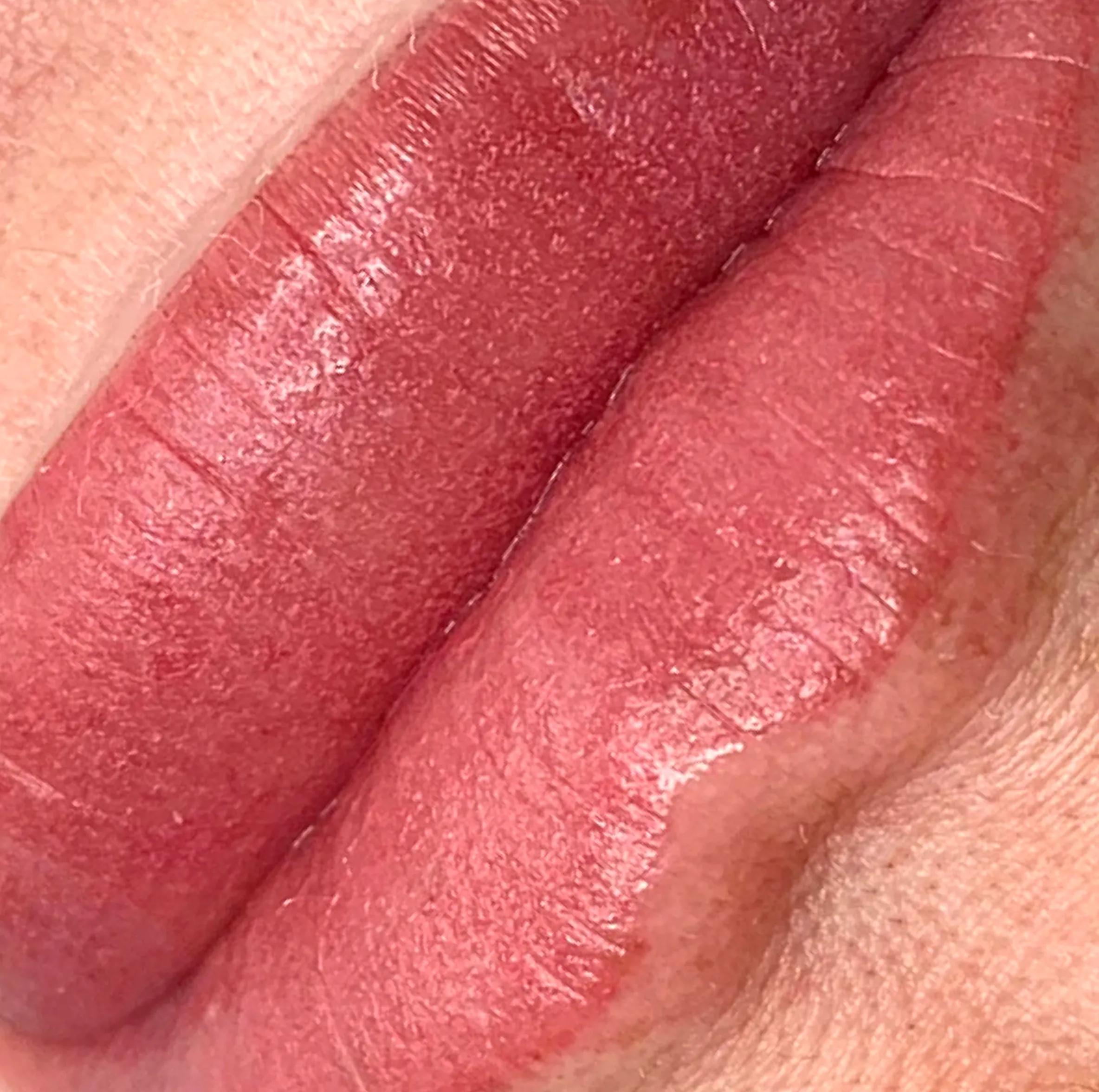
Short answer? It can be — but only in very specific cases.
Lip blush procedure is a form of permanent makeup and cosmetic tattoo technique, which uses a digital PMU machine or cosmetic tattoo gun with ultra-fine sterile needle cartridges to implant pigment just beneath the surface of the lip skin. It’s gentler than traditional tattoo coil machines, but still technically a form of trauma.
Here’s what matters:
- Keloids rarely form on mucosal tissue, like the lips. That’s why even people who keloid on the chest or shoulders often heal beautifully from Lip Blush.
- However, if you’ve developed keloids from facial piercings, acne, or viral infections like fever blisters, that’s a red flag — and we’d likely do a patch test or refer you to a dermatologist first.
- People with autoimmune diseases, blood disorders, or colour fading issues due to poor immune system response need tailored advice before proceeding.
Real talk from the treatment room: I’ve tattooed clients who keloid on their back or shoulders but had zero issues with healed lip colour. I’ve also refused Lip Blush Tattoo on someone who keloided from a chin piercing. It’s case by case — not a blanket no.
Some clients opt for a cosmetic lip tattoo to redefine their natural lip shape, but a professional assessment is crucial to ensure the treatment won’t exacerbate any existing scarring tendencies.
When to Proceed, Patch-Test, or Pause
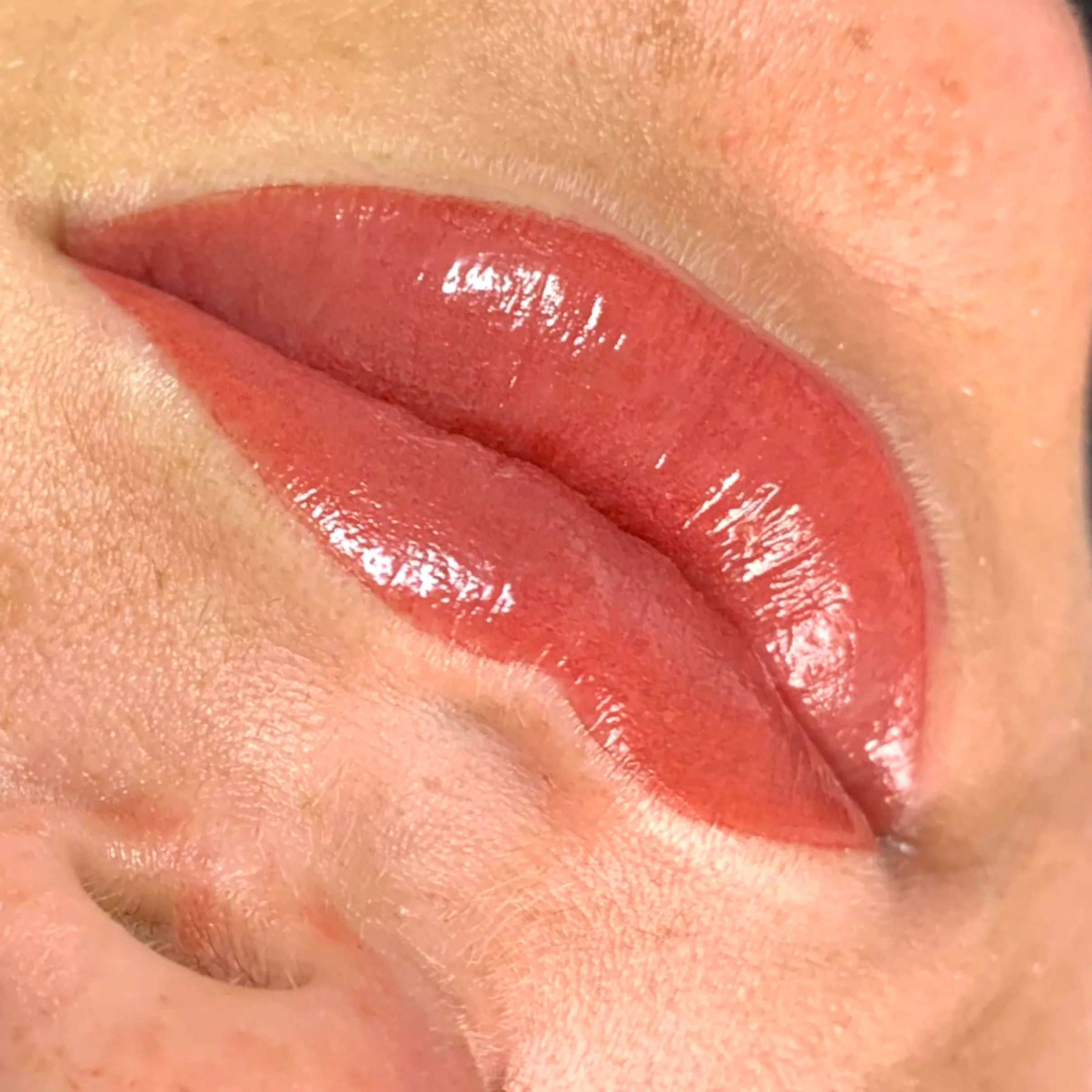
Here’s how we assess the risk of keloid formation before any cosmetic tattooing:
- Generally Safe to Proceed:
- No history of keloid or hypertrophic scarring
- No issues with healing from previous semi-permanent tattoo work or cosmetic fillers
- Healed well from cosmetic procedures or lip augmentation
- Recommend Patch Test:
- Family history of keloid scarring
- History of cold sores, viral infections or allergic reactions
- Fitzpatrick IV–VI skin types — not automatically risky, but worth extra caution
- Pause or Refer to Dermatologist:
- Keloid scars on face or lips*
- Previous tattoo colour fade
- Active skin infections
- Skin trauma
A patch test can also help us understand how your skin might respond to pigment used in lip line tattoo work.
How We Minimise Risk
Not all cosmetic tattoo artists are trained in scar management, and frankly, they should be.
At our Melbourne studio, here’s what we do differently to reduce risk:
- Comprehensive Consult
We get to know your scar history, autoimmune conditions, cold sore outbreaks, and general immune system health. We also discuss your lip filler history, if relevant. - Quality Tools and Pigment Choice
We use disposable needle cartridges, sterilised instruments, and cosmetic pigment with excellent colour stability. Everything is hygienically packed and free from irritants. - Controlled Technique
Using a PMU machine or cosmetic tattoo gun, we work shallowly in the lip skin, avoiding trauma or pigment blowout. We’re precise, not overworking delicate lip tissue.
This is especially important with lip tattooing since the area is delicate and prone to overworking if not done correctly. - Aftercare You Can Stick To
We provide clear pre- & post-care instructions and healing products that include:
- Barrier-supportive lip balm (no petroleum)
- Zinc oxide-based physical sunscreen for sun exposure
- Ice pack use during swelling
- Vitamin C serum after 7 days for brightening
- Avoiding glycolic acid or active skincare during healing
What If I Do Get a Raised Scar From Lip Blush?
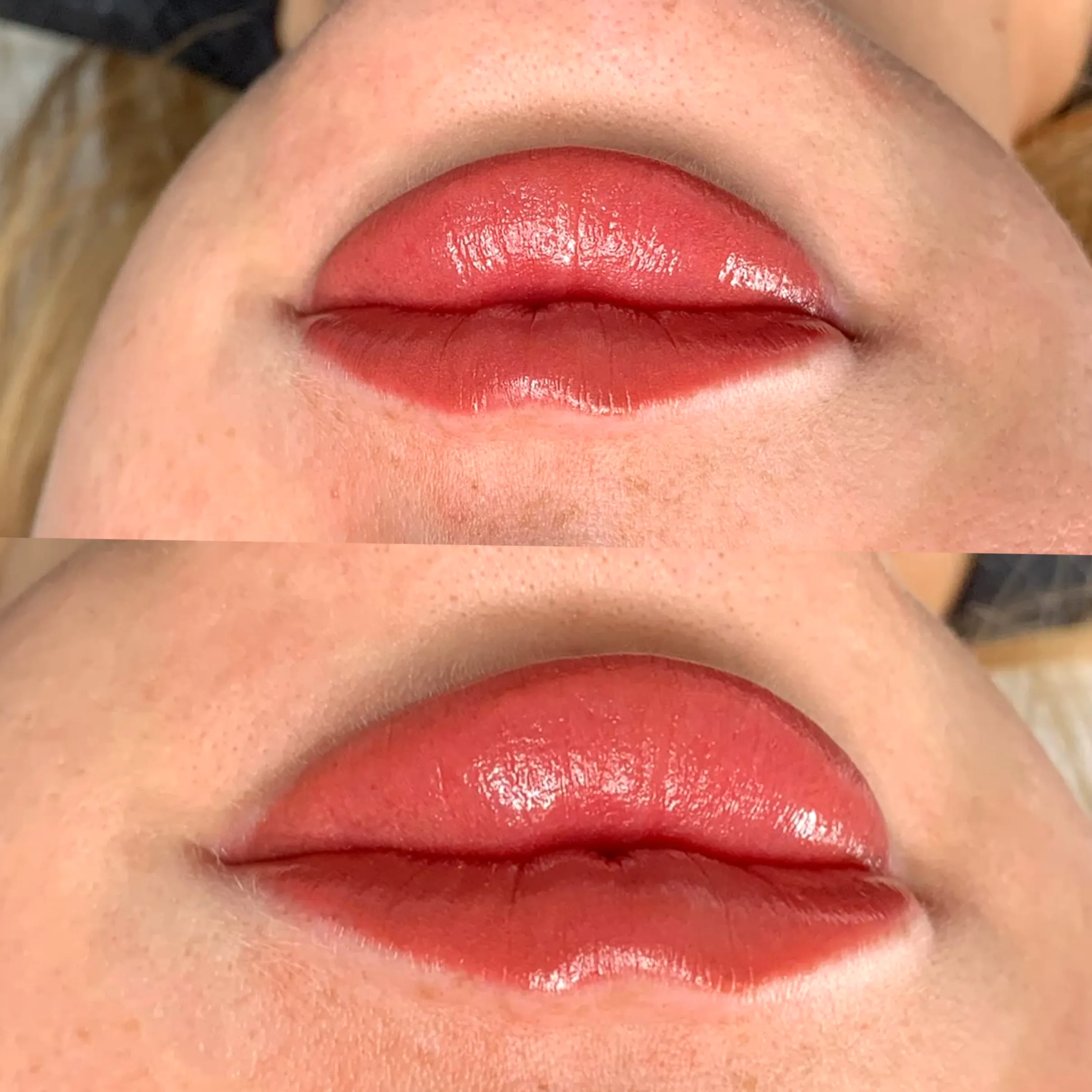
If something doesn’t heal right — whether that’s swelling, bumps or slow pigment settling — don’t panic.
What to Avoid:
- Picking or scrubbing with a lip scrubber
- Applying unapproved products
- Booking another cosmetic procedure too soon
What We Do:
- Assess and adjust the healing routine
- Refer to a GP or skin specialist if scarring appears
- Consider gentle fading via saline, not laser treatments (tattoo removal methods aren’t all lip-safe)
In rare cases where scar formation is suspected, especially after a lip blushing tattoo, we may delay any touch-ups and bring in a medical opinion.
How Common Are Keloids After Lip Tattoos?
Here’s what the data says:
| Source/Study | Area Treated | Keloid Rate |
|---|---|---|
| Journal of Cosmetic Dermatology | Eyebrows, lips | <0.2% overall |
| American Academy of Dermatology | Body tattoos | Up to 16% in at-risk people |
| Clinical Derm Reports (2023) | Lip tattooing | Extremely low |
Sun exposure, poor healing or reactivation of cold sores are way more common than keloids. That’s why following aftercare instructions and respecting the healing process is key.
The Bottom Line: Informed, Not Alarmed
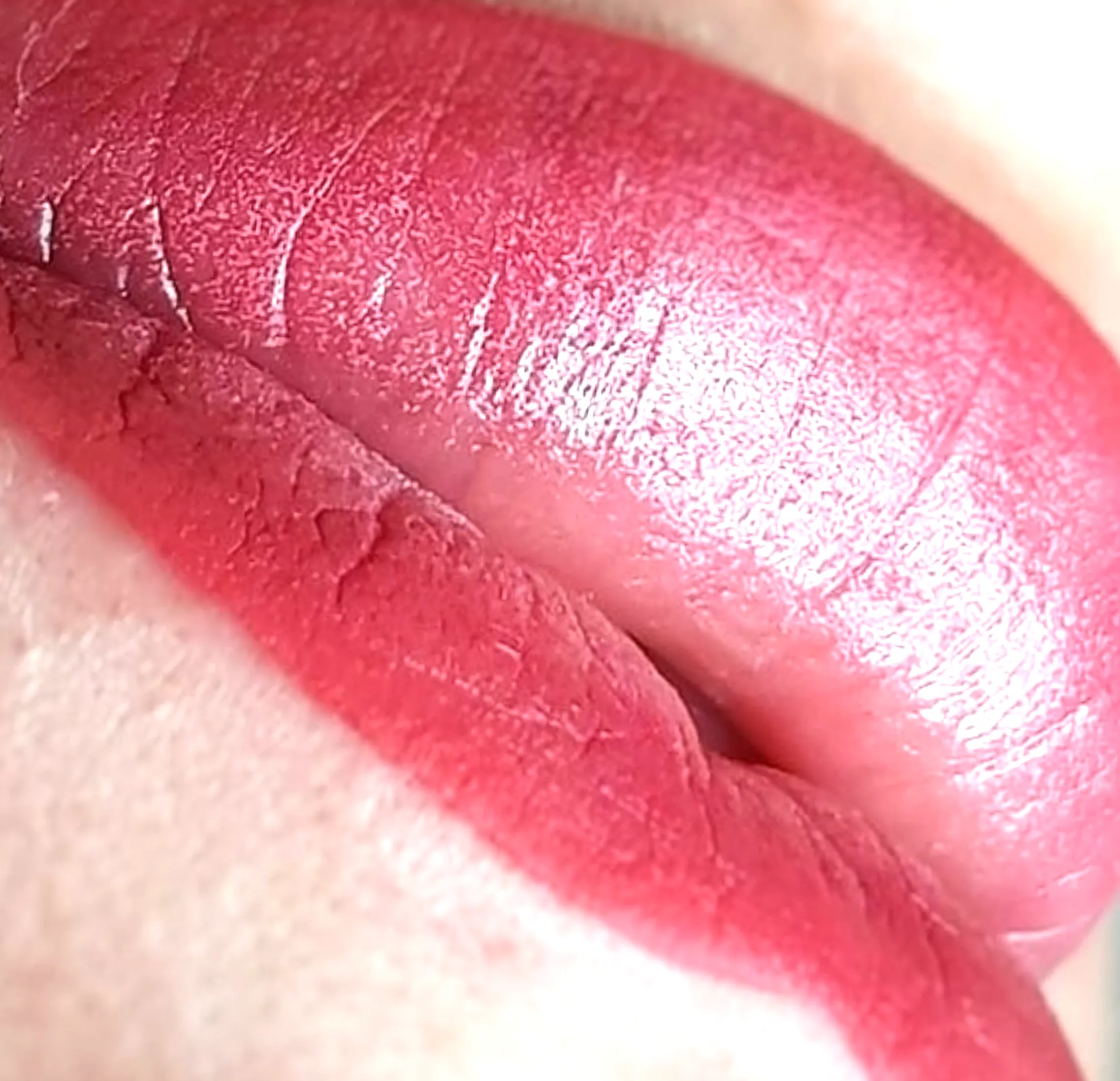
So, can Lip Blush cause keloids? Technically yes — but with the right tattoo artist, sterile technique, proper prep and good immune support, it’s extremely rare.
Choosing an experienced artist with knowledge of colour theory, lip tinting and cosmetic tattoo technique is key to getting your desired result — soft, flattering lip colour without complications.
And if you’re ever unsure whether a cosmetic lip tattoo is right for your skin, a qualified artist will walk you through every risk and precaution, with no pressure.
At Cosmetic Tattoo Studio Face Figurati in Melbourne, we know first-hand how important it is to make informed decisions about permanent makeup.
FAQs
Can I get Lip Blush if I have a history of cold sores?
Yes, but you’ll need to take antiviral medication before and after treatment. Cold sores (fever blisters) can be triggered by lip trauma, so prep is essential.
Will Lip Blush affect my lip fillers or cosmetic augmentation?
No — as long as your lip fillers have healed fully (usually 4+ weeks), you’re good to go.
Can I wear makeup or apply lip balm after treatment?
Only healing-safe lip balm is recommended. Avoid makeup and non-healing products during the peeling phase to prevent infections.
What numbing cream do you use — and is it safe?
We use a topical anaesthetic specifically formulated for lip skin, with ingredients approved for semi-permanent tattoo work.
What causes colour fading or pigment migration?
Sun exposure, exfoliants like glycolic acid, poor aftercare, and using unapproved lip products. Your healed lip colour depends on respecting the healing timeline.