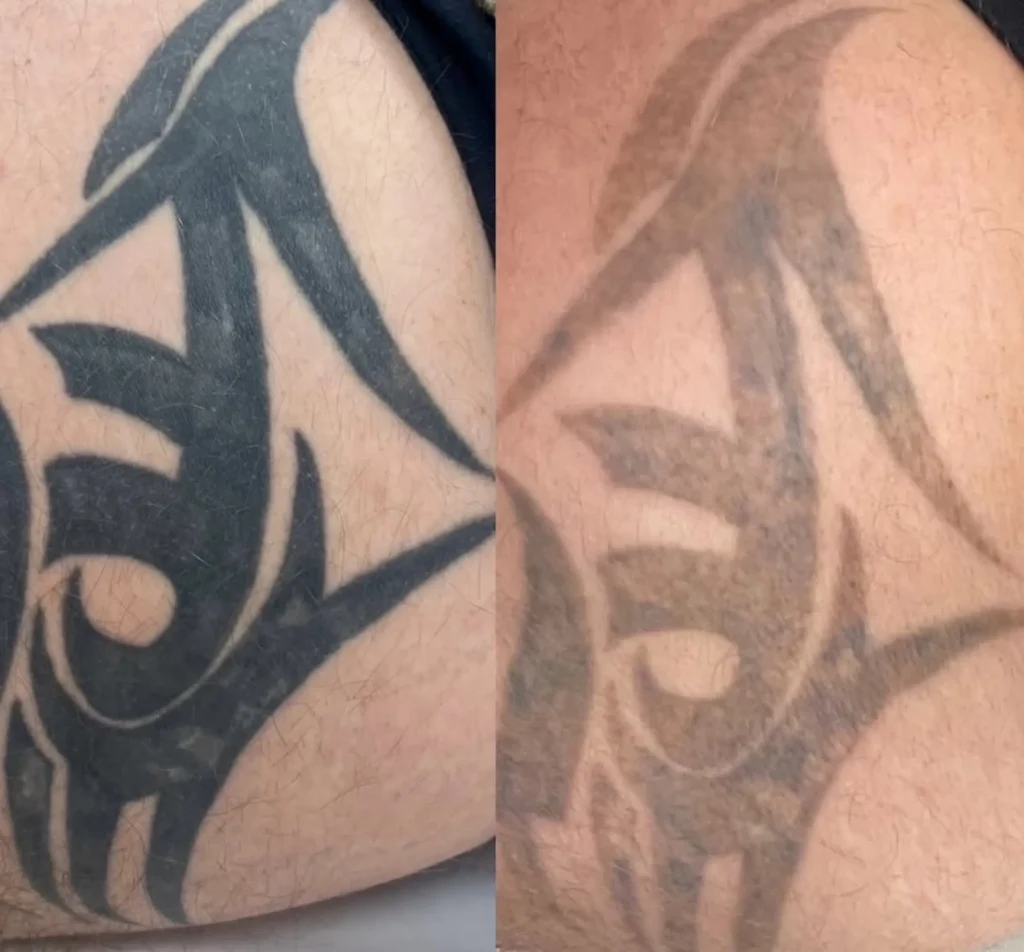
Because clients ask, can tattoo removal damage hair follicles or nerves? Every week here in my Melbourne studio – especially those searching for tattoo removal near me with Olha Po — I want to break it down in a way that feels like we’re having a chat about what’s on your mind, not talking to a device with a laser buzzing away in the background.
Modern laser technology uses a beam of light to target those ink particles, not the deeper stuff that grows hair or causes sensations. Whether you’re sorting out old brow work or small unwanted tattoos, the approach is always the same: do it with care, target the right depth, and make sure it doesn’t mess with your skin’s natural functions.
Why This Worry Comes Up So Often
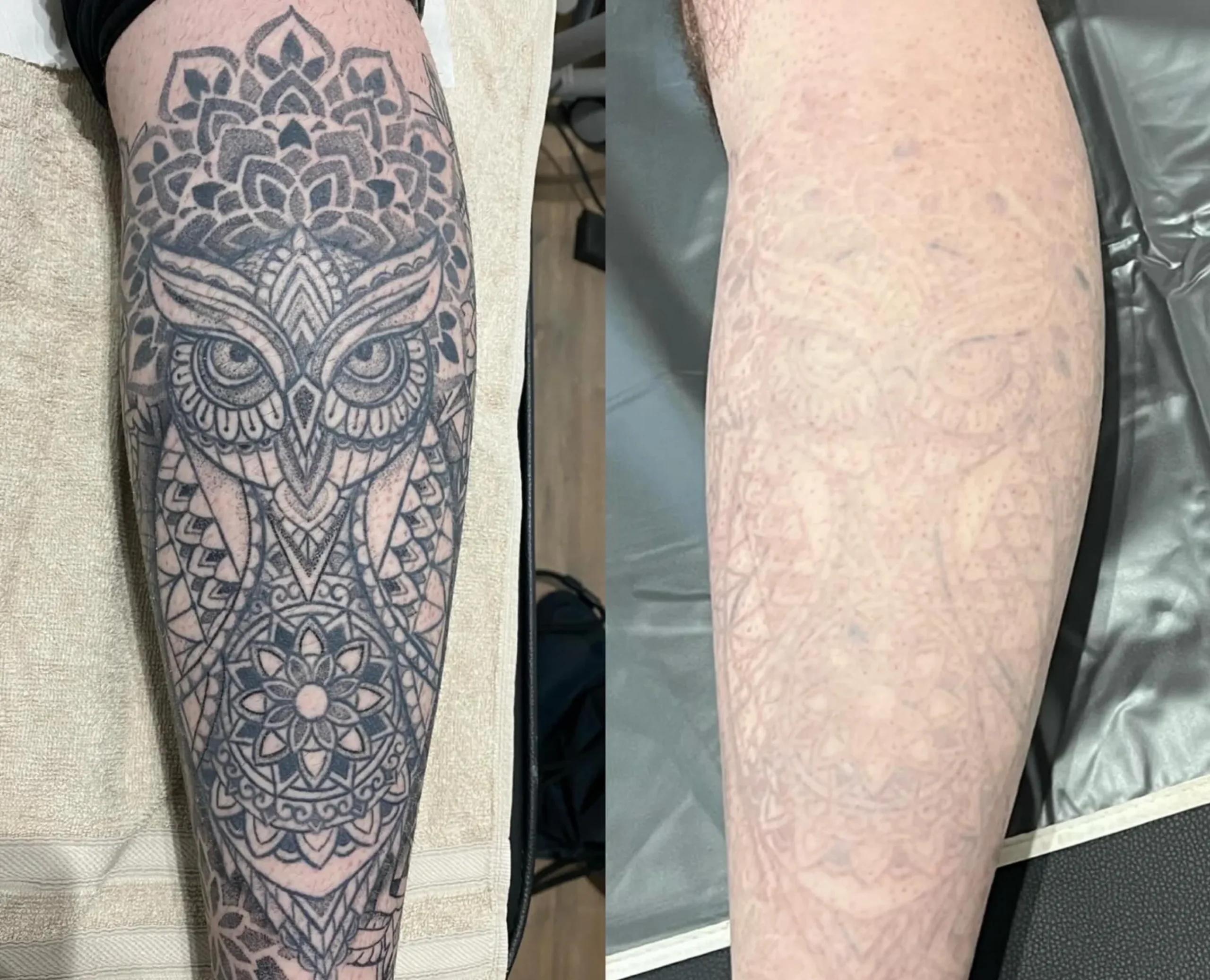
Clients often wonder about this, especially when we’re chatting about laser tattoo removal for their brows or face. Adding a laser to the mix near the face can sound a bit scary, but the kind of light we use for tattoo removal is pretty different from laser hair removal (that’s a completely different treatment).
The thing is, laser tattoo removal works on a pretty shallow level in the skin – the dermis, where that tattoo ink lives. Hair follicles, nerve endings and all that sort of thing are a bit deeper in the subcutaneous layer or even further down in the lower dermis – far enough away that the laser light doesn’t affect them.
If you’re used to dealing with the Melbourne climate – with its summer humidity and winter dryness – you know your skin can change from one month to the next, so getting your head around how laser removal interacts with your skin really helps you feel more confident.
What Happens During Treatment
The laser removal process uses a laser beam that breaks up tattoo ink particles so your body can flush them out naturally. Unlike laser hair removal, which targets active hair growth, tattoo removal lasers target the pigment trapped in the dermis.
The key thing here is that tattoo pigment sits higher in the dermis than hair follicles, nerve endings or blood vessels.
When we’re doing an eyebrow tattoo removal or other cosmetic work, the laser breaks up the ink particles with light energy, but it doesn’t go deep enough to interfere with elastic fibres, sweat glands, or the subcutaneous layer.
Skin Depth Comparison Table
| Skin Structure | Approximate Depth | Affected by Laser Removal? | Notes |
|---|---|---|---|
| Epidermis (surface) | 0–0.1 mm | Yes (light interaction) | May experience mild skin shedding. |
| Dermis (tattoo pigment) | 1.0–2.0 mm | Yes | Laser tattoo removal targets ink particles in this layer. |
| Hair Follicles | 2.0–4.0 mm | No | Deeper than tattoo pigment, lasers do not disrupt the growth cycle. |
| Sensory Nerves | Varies | No | Laser technology does not penetrate or heat nerve endings. |
| Subcutaneous Layer | 5+ mm | No | Too deep for cosmetic laser treatment. |
Dermatology studies consistently show the same reassuring finding: lasers used for pigment lifting do not cause nerve damage or destroy hair follicles, which is great news for clients. Most people who get laser treatments report feeling only a brief burst of heat, similar to a rubber band snap sensation, rather than deep tissue pain.
What About Brow Hair Turning White?
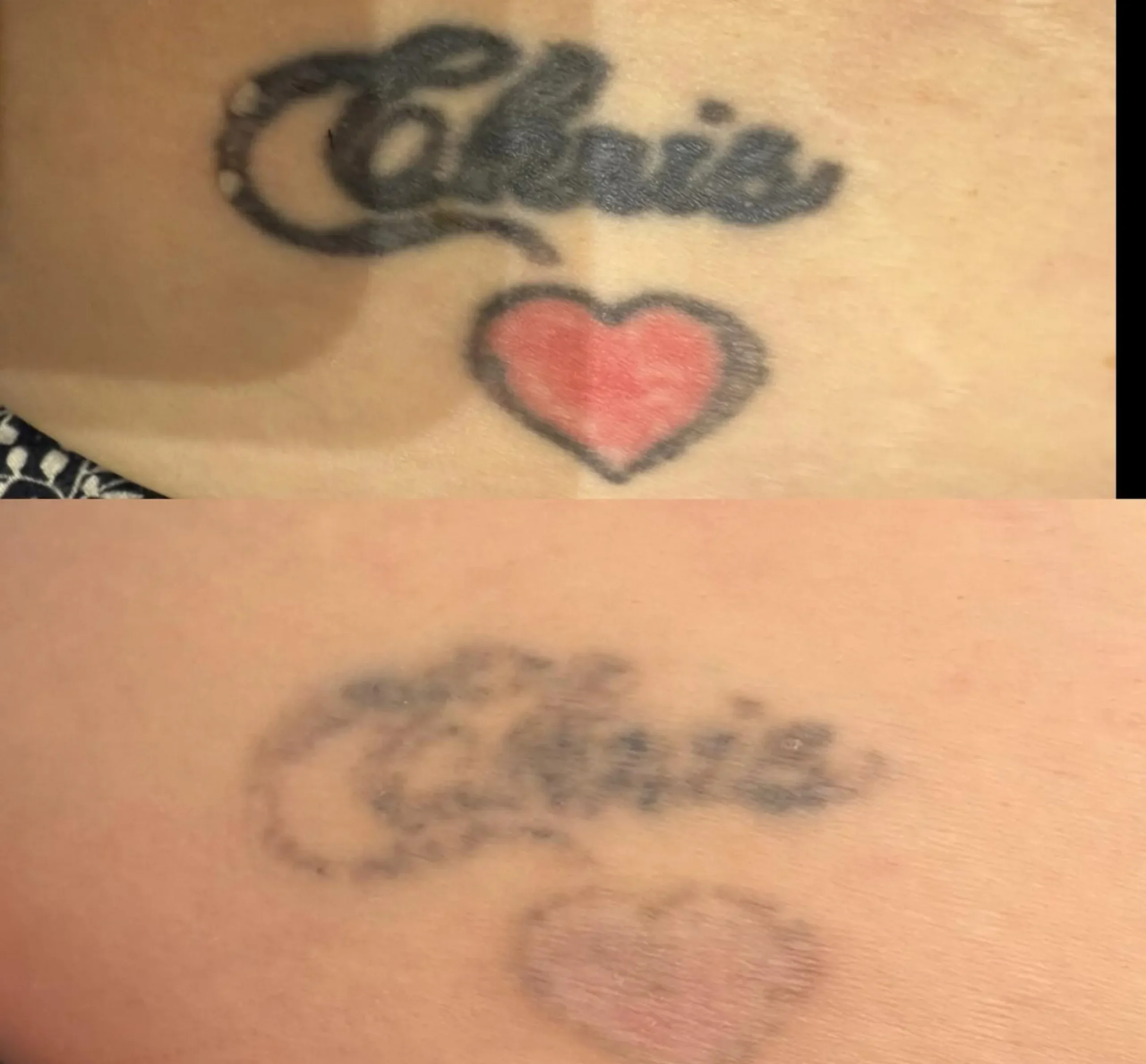
If your brow hair looks a little lighter or “crispy” after laser treatment, don’t panic – it’s usually temporary and limited to the surface of the hair.
This can happen because:
- The hair shaft heats slightly, similar to laser hair removal, but not enough to damage the follicle.
- The laser beam causes minor carbonisation, leaving a temporary white cast.
- The hair becomes dehydrated, which can look alarming but resolves quickly.
Your natural hair growth cycle isn’t affected, and hair pigment isn’t removed the same way ink particles are. Every single client I’ve treated sees their hair return to normal within a few days.
Is Nerve Damage A Real Risk?
Short answer: no way – not when you’re treated by someone who knows what they’re doing with the right laser technology.
Why?
- The laser wavelengths used for ink removal only interact with pigment.
- Nerve endings sit deeper down than the pigment from a permanent makeup tattoo.
- The laser beam simply can’t produce enough heat to affect nerves.
Some people might feel a stronger “blast” depending on their skin type or where they are in the healing process, but this is just surface-level stimulation – nothing like the deep numbness or tingling associated with nerve damage.
Even people who get nerve blocks for comfort (which is rare and usually only when someone’s getting a large tattoo under medical supervision) do it specifically for pain management, not because their nerves are at risk.
Real Studio Example
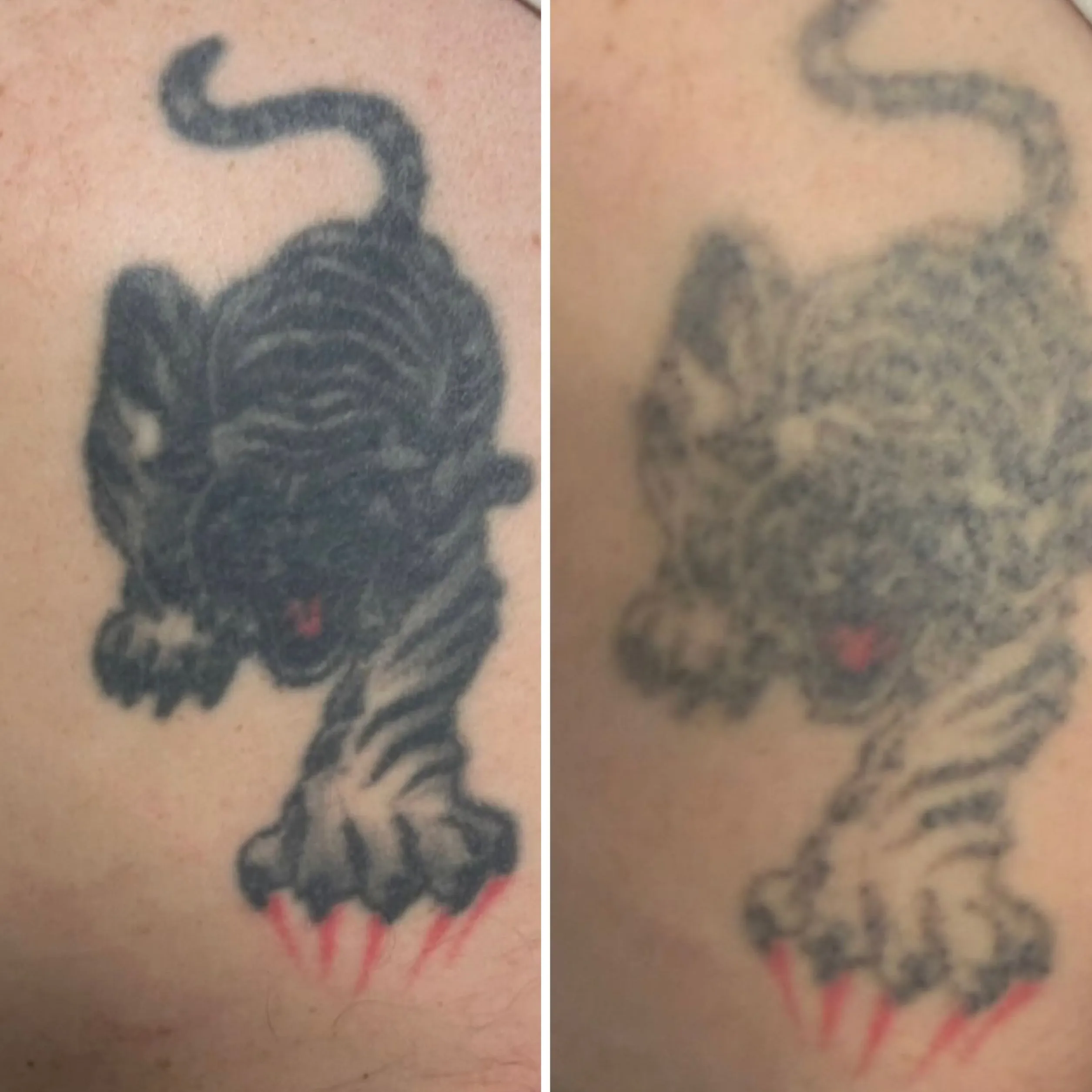
A client of mine from Melbourne came in with really cool-toned eyebrow tattoos that looked a bit outdated. She was worried about nerve endings and natural skin sensitivity because her GP had mentioned she had reactive skin.
Over the course of a few follow-up sessions, here’s what we observed:
- No nerve reactions at all
- No disruption to hair follicles
- No changes in skin texture or natural shedding cycles
- Predictable pigment fading with good healing
The only thing she experienced was a bit of skin dryness – and that wasn’t even from the laser treatment. It was just the Melbourne winter, with dry indoor heating running constantly.
Does Skin Type Change Safety?
Skin type definitely plays a role in how pigment fades – but it does not change whether your hair follicles or nerves are safe.
Here’s how different skin behaves:
- Oily skin often needs one or two extra sessions to achieve the same results.
- Dry or mature skin may look more dramatic as it sheds, but this is a normal part of healing.
- Darker or tanned skin requires adjusted settings to avoid overheating, purely as a safety measure.
- Sensitive skin may feel more heat, but any reaction remains superficial.
Regardless of skin type, the depth of tattoo pigment stays the same, and equipment used in a reputable cosmetic tattoo studio is always calibrated accordingly.
Lip And Eyeliner Corrections
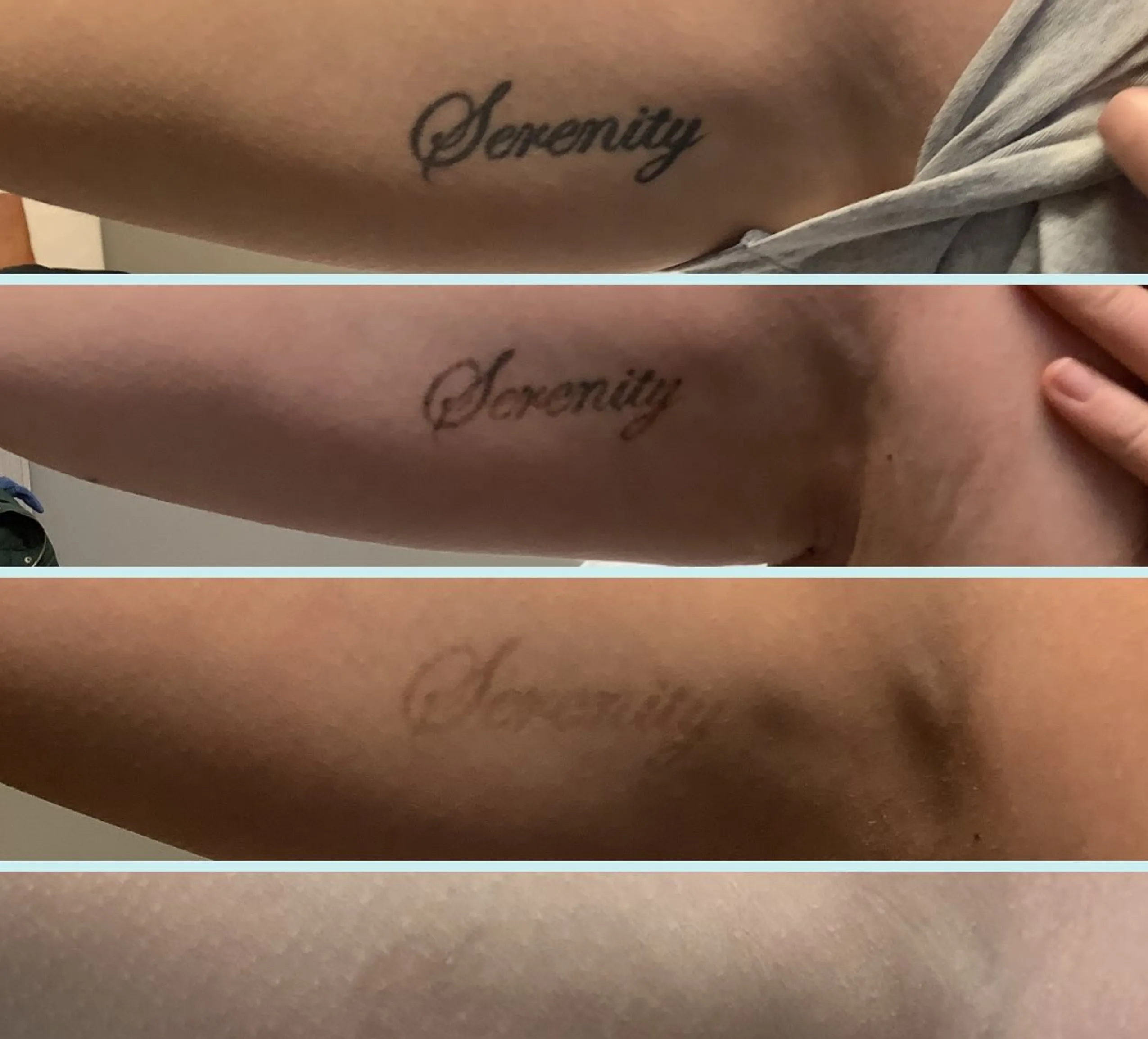
Lip and eyeliner corrections focus on refining or repairing cosmetic tattoo work that has faded unevenly, shifted shape, or no longer suits your features. This may involve neutralising old pigment, improving symmetry, or softening harsh lines for a more natural result.
Lips
Laser treatment isn’t commonly used for lip pigment removal because visible light can stimulate melanocytes in unpredictable ways. Saline removal is generally a safer option and does not interact with hair follicles or nerves.
Eyeliner
Eyeliner corrections require extra care. We use lower-energy settings on a Nd:YAG laser and only allow advanced technicians or medical doctors to perform this work. Even then:
- Lash follicles remain intact
- Sweat and oil glands are unaffected
- Side effects are limited to temporary swelling or puffiness
Many clients choose saline removal for eyeliner because it’s gentler on the delicate eye area.
Expected Reactions (All Normal)
While your hair follicles and nerves are safe, laser tattoo removal can cause predictable surface reactions:
- Temporary redness
- Minor pinpoint bleeding
- Short-term swelling
- Temporary hair pigment changes
- Mild dryness or skin shedding
- Temporary ink oxidation darkening before fading
These effects are part of the normal healing response. Complications are extremely rare when proper protocols are followed by an experienced practitioner.
Aftercare For Strong Results
After each laser removal session:
- Use cool compresses for comfort.
- Keep the area dry for 24 hours.
- Avoid touching, rubbing, or picking.
- Skip saunas, steam rooms, and hot showers for 48 hours.
- Avoid active skincare for at least 7 days.
- Protect the area from the sun with sunscreen.
Let the skin-shedding process happen naturally. Don’t scrub or exfoliate to speed it up.
Many Melbourne clients find winter ideal for tattoo removal due to lower UV exposure and faster healing.
How Many Sessions Until Pigment Clears?
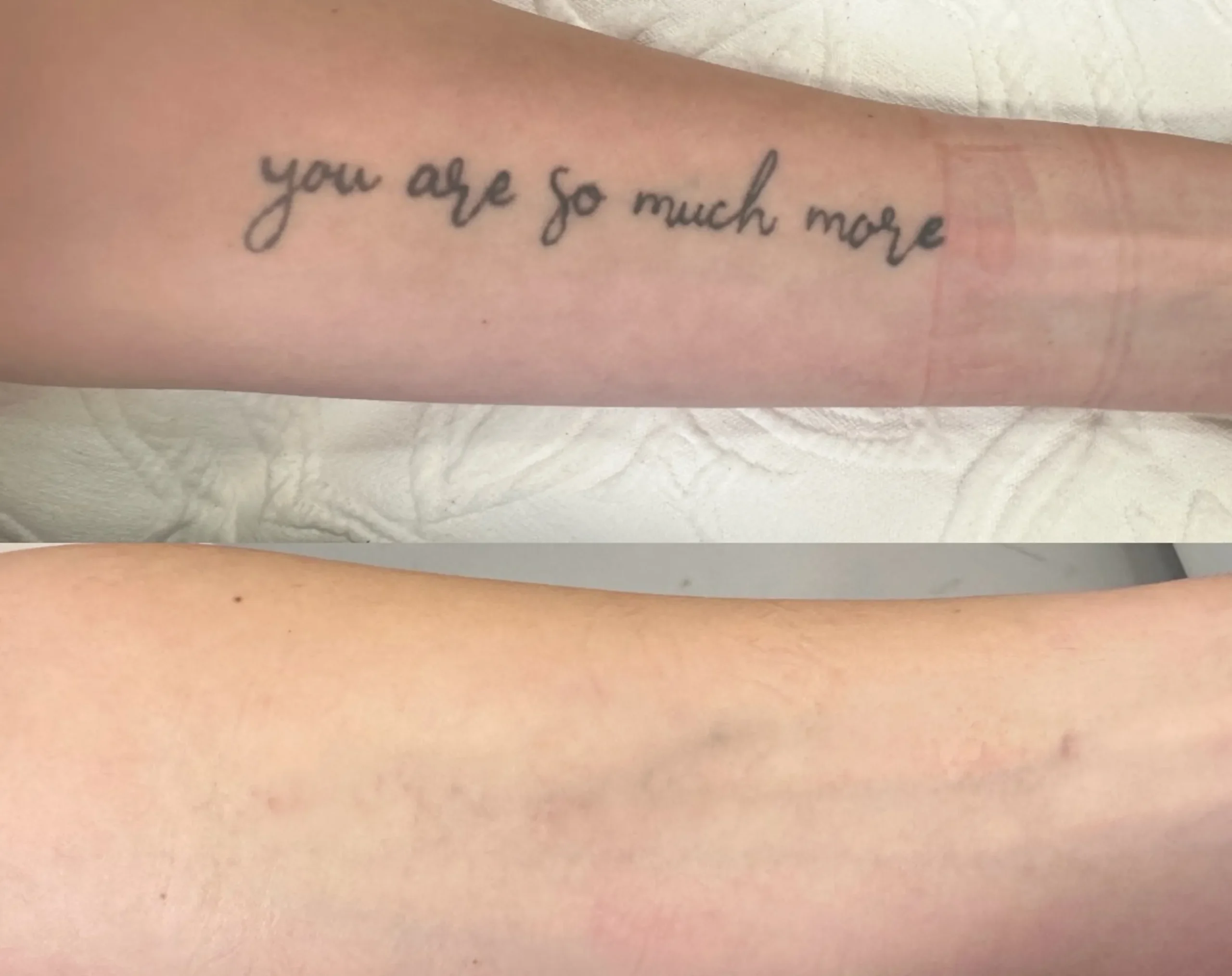
| Tattoo Type | Typical Sessions | Notes |
|---|---|---|
| Brow tattoos | 3–6 | Varies by pigment density and ink particles. |
| Lip liner | 2–5 | Saline or laser, depending on the case. |
| Eyeliner | 3–6 | Only with advanced laser tattoo removal techniques. |
| Body tattoos | 8–12 | Deeper ink and larger areas. |
Session count depends on pigment type, skin type, immune response, and whether the tattoo was done by a professional tattoo artist or an amateur.
FAQ
Will laser tattoo removal stop my brows from growing?
No, the laser beam does not reach follicle depth.
Can the treatment cause nerve damage?
No, nerve endings sit deeper than the targeted pigment.
Is temporary brow hair bleaching normal?
Yes, and it’s harmless. It resolves quickly.
Is laser removal the same as laser hair removal?
No — completely different wavelengths and targets.
Are side effects permanent?
Side effects like redness or dryness are temporary and part of normal healing.