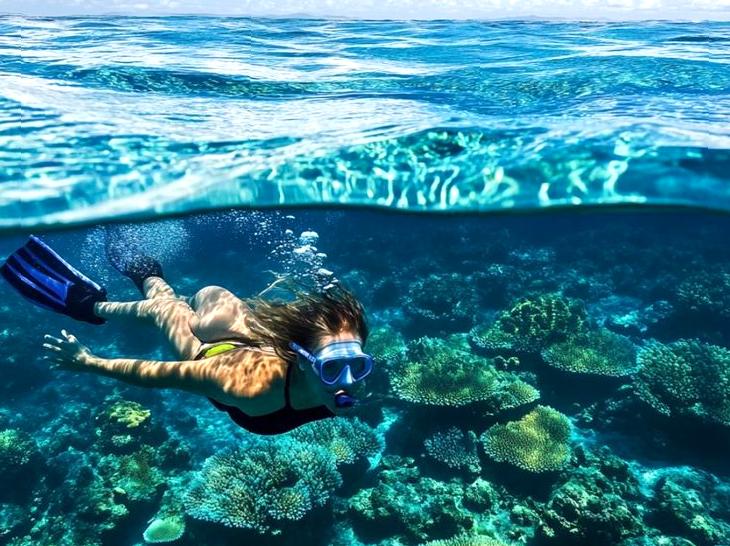

The margin of Moulter Cay is a biologically diverse and geologically significant area, showcasing distinctive features that are crucial for understanding marine ecosystems. Situated in the stunning waters of the Great Barrier Reef in Australia, this margin serves as an ideal location for studying the interactions within marine habitats and the impact of environmental changes. This article delves into the characteristics of the Moulter Cay margin, its ecological importance, and the ongoing conservation efforts that aim to preserve this unique ecosystem.
Understanding the Geography of Moulter Cay Margin

The Moulter Cay margin is the transitional area between the landmass of Moulter Cay and the surrounding ocean waters. It encompasses various geological formations, including coral reefs, sandy beaches, and rocky outcrops, which create a diverse habitat for numerous marine species. This margin is not just a physical boundary but represents a vibrant ecosystem where life thrives, driven by both terrestrial and marine influences. The dynamic interactions between tides, currents, and sediments contribute to the unique characteristics of this region.
One notable feature of the Moulter Cay margin is its coral reef system, which is among the most biodiverse environments on the planet. Coral reefs provide essential shelter and feeding grounds for fish, invertebrates, and various marine organisms. The health of these reefs is indicative of the overall well-being of the marine ecosystem and directly affects the species that rely on them. Therefore, understanding the geography of the Moulter Cay margin aids researchers and conservationists in monitoring ecological changes and implementing protective measures.
The Biodiversity of Moulter Cay Margin

The biodiversity found in the Moulter Cay margin is remarkable, making it a focus for ecologists and marine biologists. This region is home to an array of species, including various types of corals, fish, mollusks, and crustaceans that are adapted to the specific conditions of the margin. For instance, the coral species here show unique adaptations that allow them to thrive in the fluctuating environmental conditions typical of the area.
In addition to flora and fauna, the margin also supports various bird species that rely on marine ecosystems for food. Migratory birds often visit Moulter Cay, contributing to the ecological balance and performing crucial roles, such as pollination and seed dispersal. The presence of these species demonstrates the interconnectedness of life, highlighting the importance of preserving such margins for ecological sustainability.
Key Species Found at Moulter Cay Margin
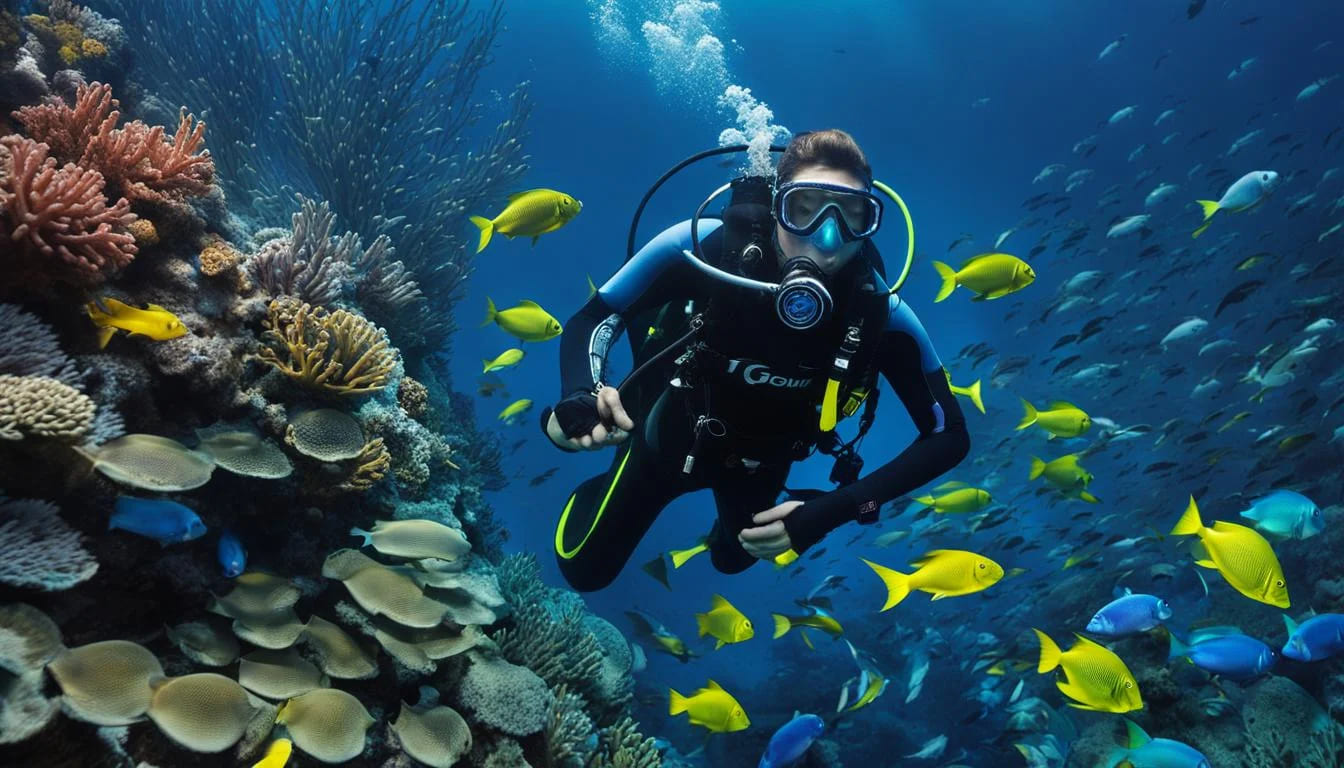
Exploring the species that inhabit the Moulter Cay margin provides insight into the complexity of its ecosystem. Here are some key species observed in this region:
-
- Hard corals: Form the backbone of the reef ecosystem, providing structure and habitat.
- Clownfish: Known for their symbiotic relationship with sea anemones, they are iconic residents of coral reefs.
- Sea turtles: These mariners frequent the area, playing vital roles in maintaining healthy seagrass beds and coral reefs.
- Various reef fish species: Such as parrotfish and angelfish which contribute to the reef’s dynamic and biodiverse nature.
- Dolphins: Often spotted in the surrounding waters, these intelligent mammals add to the margin’s ecological complexity.
Conservation Efforts Surrounding Moulter Cay Margin
With increasing human impacts such as pollution, climate change, and overfishing, the conservation of the Moulter Cay margin has become a critical concern. Various local and global organizations are implementing strategies to protect this delicate ecosystem, ensuring its resilience for future generations. Initiatives include habitat restoration, pollution control, and the establishment of marine protected areas that restrict harmful activities.
Education and awareness campaigns target local communities and tourists alike, promoting sustainable interactions with the environment. By providing information on the significance of the Moulter Cay margin and its inhabitants, these efforts foster a culture of conservation and stewardship. Additionally, ongoing research and monitoring programs are essential to assess the health of the margin and identify emerging threats, allowing for timely interventions.
Conclusion
The Moulter Cay margin stands as a testament to the richness and fragility of marine ecosystems. It not only offers stunning biodiversity and geological features but also plays a crucial role in marine health and ecological balance. As we continue to learn more about this unique region, it becomes increasingly imperative to engage in conservation efforts that protect the delicate interplay between land and sea. Through sustained commitment and action, we can ensure that the Moulter Cay margin remains a thriving habitat for many species and a beacon of biodiversity for years to come.
FAQs
The Moulter Cay margin is the transitional area between Moulter Cay and the surrounding ocean, characterized by diverse marine ecosystems, including coral reefs and sandy beaches.
2. Why is the biodiversity of Moulter Cay important?
The biodiversity of Moulter Cay is vital for ecological balance, offering habitats for various species and contributing to the overall health of marine ecosystems.
3. What conservation efforts are in place for Moulter Cay Margin?
Conservation efforts include habitat restoration, pollution control, creating marine protected areas, and raising awareness about the importance of preserving this unique ecosystem.
4. Which species are commonly found in Moulter Cay Margin?
Common species include hard corals, clownfish, sea turtles, various reef fish species, and dolphins, all of which play significant roles in maintaining the ecosystem’s health.
5. How can visitors contribute to the conservation of Moulter Cay Margin?
Visitors can contribute by practicing responsible tourism, avoiding littering, respecting wildlife, and participating in local conservation initiatives to support the area’s ecological health.